3101 W Ridge Rd BLDG C, Greece, NY 14626

A dental abscess is more than a toothache. For many patients in Greece, NY, it starts with a throbbing pain and quickly becomes something far more serious. Understanding why your dental abscess could be a medical emergency in Greece could genuinely save your life. Dr. Maxim Yakimov and the team at Greece Family Dentistry and Implantology want every patient to recognize the warning signs early.
What Is a Dental Abscess and How Does It Feel?
A dental abscess is a pocket of pus caused by a bacterial infection. It can form at the root of a tooth or in the surrounding gum tissue. The infection usually develops from untreated tooth decay, gum disease, or a cracked tooth.
Most patients describe the pain as intense, throbbing, and constant. It often gets worse when lying down. You may also notice swelling in your face, jaw, or neck. Some people develop a fever, which signals the infection is spreading beyond the tooth.
Common symptoms of a dental abscess include:
- Severe, persistent toothache that radiates to the jaw or ear
- Swelling in the cheek, face, or neck
- Sensitivity to hot and cold temperatures
- A foul taste or smell in the mouth from draining pus
- Fever and general feeling of illness
- Difficulty swallowing or opening the mouth fully
These symptoms should never be ignored. The longer you wait, the more dangerous the infection can become.
Why a Dental Abscess Could Be a Medical Emergency in Greece
Many people assume a dental problem stays in the mouth. That assumption is dangerously wrong. A dental abscess can spread rapidly through the soft tissues of your face and neck. Once it spreads, it can block your airway or travel to your brain, heart, or lungs.
One of the most serious complications is Ludwig’s Angina. This is a fast-moving infection that fills the floor of the mouth and neck. It can close off the airway within hours. Emergency hospitalization is required immediately.
Another life-threatening risk is sepsis. Sepsis occurs when the body’s response to infection damages its own tissues. Patients can go from a toothache to a systemic crisis very quickly. This is why understanding that your dental abscess could be a medical emergency in Greece is so important.
Signs that require a trip to the emergency room include:
- Difficulty breathing or swallowing
- Swelling that is spreading rapidly down the neck
- High fever above 103°F
- Confusion or extreme fatigue
- Inability to open your mouth
What Happens During Emergency Dental Treatment?
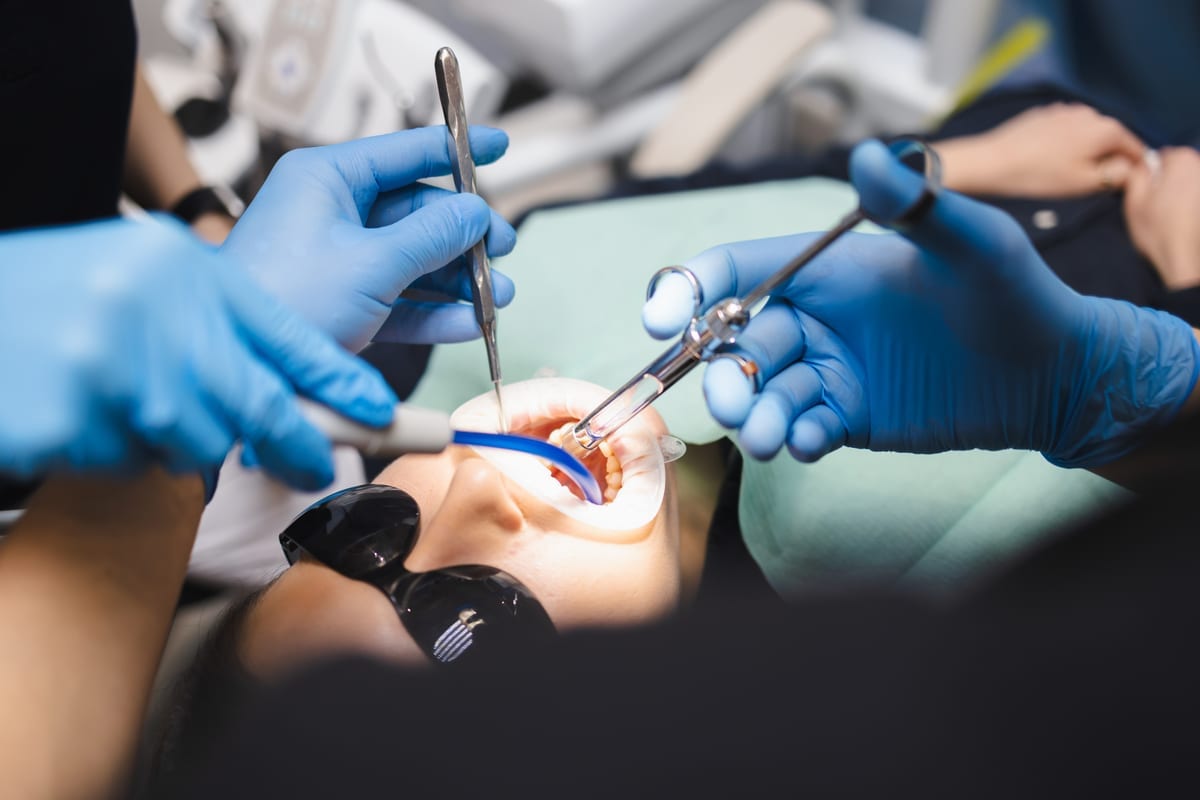
When you visit Greece Family Dentistry and Implantology with an abscess, Dr. Yakimov acts quickly. The first priority is draining the infection to relieve pressure and remove bacteria. This brings immediate pain relief for most patients.
After draining the abscess, the underlying cause must be addressed. In many cases, a root canal is the best option to save the tooth. A root canal removes the infected pulp and seals the tooth against future infection. This treatment has an undeserved reputation for being painful — in reality, it relieves the pain caused by the abscess itself.
If the tooth cannot be saved, a tooth extraction may be necessary. Antibiotics are often prescribed to clear remaining infection. Follow-up care is essential to make sure healing is complete and no infection remains.
Our team also discusses long-term tooth replacement options after extraction. Dental Implants Greece patients trust are one of the most durable and natural-looking solutions available. Implants restore both function and appearance after tooth loss.
How to Prevent a Dental Abscess Before It Starts
Prevention is always better than an emergency visit. Most dental abscesses are preventable with consistent oral hygiene and regular professional care. Brushing twice daily and flossing every day removes the bacteria that cause decay and infection.
Professional cleanings are essential. A skilled Dental Hygienist Greece patients rely on can identify early signs of trouble before they become serious. Plaque and tartar buildup below the gumline is a major contributor to abscess formation.
Here are simple steps you can take to lower your risk:
- Brush teeth for at least two minutes, twice a day
- Floss daily to remove bacteria between teeth
- Visit your dentist every six months for a cleaning and exam
- Address cavities quickly — do not delay treatment
- Avoid sugary drinks that feed harmful oral bacteria
- Wear a mouthguard if you grind your teeth at night
If you notice any sensitivity, swelling, or unusual pain, schedule an appointment right away. Early treatment of a cavity prevents it from becoming an abscess.
When to Seek Emergency Dental Care in Greece, NY
Not every toothache is a dental emergency. But certain symptoms demand immediate attention. If you experience any combination of fever, rapid swelling, and difficulty breathing, do not wait for a scheduled appointment.
Greece Family Dentistry and Implantology offers emergency dentistry services for patients in Greece, NY and surrounding areas. Dr. Yakimov understands that dental emergencies do not follow a schedule. The practice is committed to seeing urgent cases as quickly as possible.
If your symptoms feel life-threatening — especially trouble breathing or swallowing — go directly to the nearest emergency room. Dental offices and hospitals work together to manage severe infections. Your safety always comes first.
For less critical but still urgent situations, contact our office right away. Describe your symptoms clearly so our team can assess the level of urgency and get you the care you need fast.
Conclusion: Take a Dental Abscess Seriously
A dental abscess is not something to wait out or manage at home with pain relievers. It is a bacterial infection with the potential to become life-threatening. Residents of Greece, NY have access to experienced, compassionate dental care right in their community. Dr. Maxim Yakimov and the Greece Family Dentistry and Implantology team are here to help at every stage — from prevention to emergency treatment. Do not let fear or uncertainty delay care that could protect your health. Book Now to schedule your appointment with our team.
Frequently Asked Questions
How do I know if my toothache is actually a dental abscess?
An abscess typically causes a severe, throbbing pain that does not go away. You may also notice swelling in your face or jaw, a bad taste in your mouth, and sometimes a fever. A regular toothache may come and go, but abscess pain tends to be constant and intense. If you experience these symptoms, contact a dentist right away.
Can a dental abscess go away on its own?
No. A dental abscess will not resolve without professional treatment. The infection may seem to improve temporarily if the abscess ruptures and drains, but the underlying infection remains. Without treatment, the bacteria can spread to surrounding tissues and become life-threatening. Always seek dental care even if the pain seems to lessen.
Is a dental abscess always a dental emergency?
Not every abscess requires an immediate emergency room visit, but all abscesses require prompt dental attention. If you develop a high fever, difficulty swallowing, rapid facial swelling, or trouble breathing, treat it as a medical emergency and go to the nearest hospital. For severe tooth pain and swelling without those symptoms, contact your dentist urgently.
What treatment options are available for a dental abscess?
Treatment depends on the severity of the infection. Options include draining the abscess, root canal treatment to save the tooth, or tooth extraction if the tooth cannot be saved. Antibiotics are often used to help clear the infection. Dr. Yakimov will assess your specific situation and recommend the most appropriate course of action.
How quickly can a dental abscess become dangerous?
A dental abscess can become dangerous within days if left untreated. Infections in the mouth are close to vital structures like the airway, brain, and bloodstream. Spreading infections can escalate rapidly. This is why prompt treatment is so critical — the sooner you act, the safer the outcome.