3101 W Ridge Rd BLDG C, Greece, NY 14626
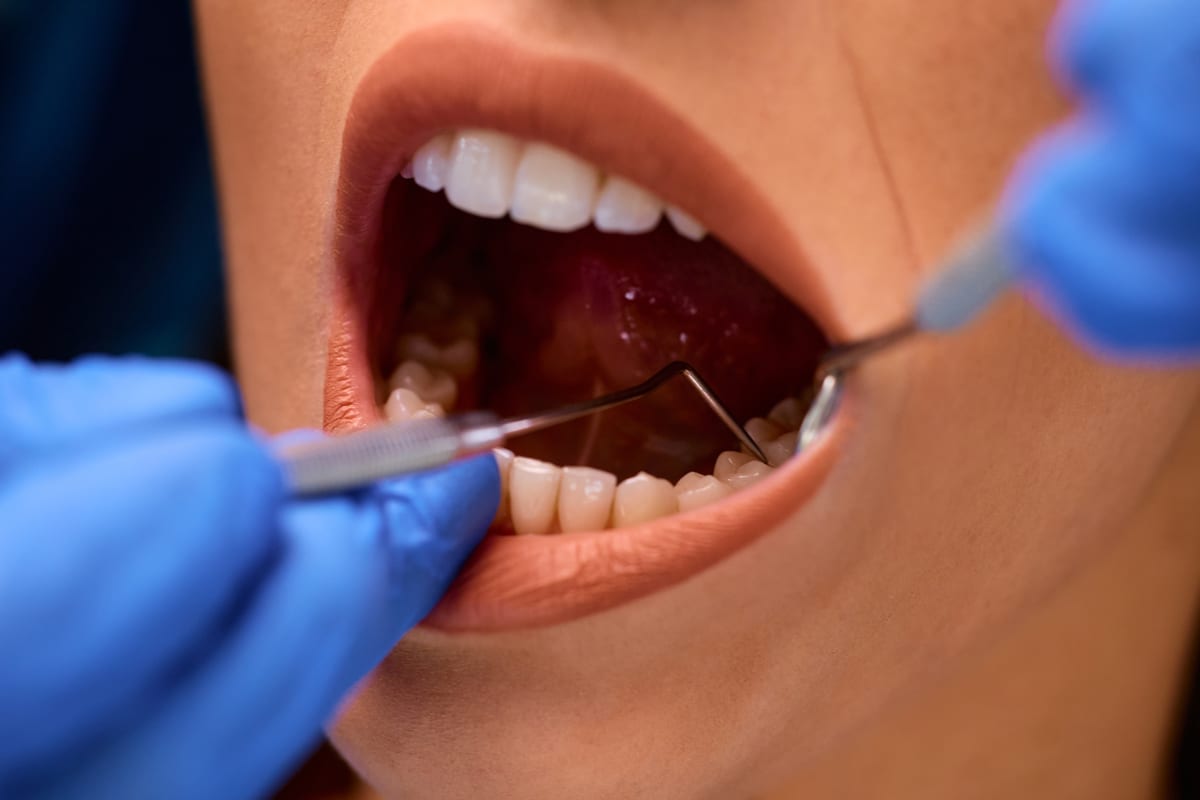
Starting periodontal treatment can feel intimidating, especially if it’s your first time hearing the term. Many new patients in Greece, NY come to us with similar concerns before their first appointment. We’ve compiled the 5 questions new patients ask about periodontal care—answered for Greece residents—so you feel confident walking through our door. Dr. Maxim Yakimov and the team at Greece Family Dentistry and Implantology are here to make every step clear and comfortable.
Question 1: What Exactly Is Periodontal Care?
Periodontal care focuses on the health of your gums and the bone that supports your teeth. The word ‘periodontal’ simply means ‘around the tooth.’ When harmful bacteria build up along the gumline, it can cause inflammation, bleeding, and eventually gum disease. Left untreated, gum disease can lead to tooth loss and even affect your overall health.
Periodontal care includes both prevention and treatment. Preventive care means regular cleanings and checkups that stop problems before they start. Treatment may involve deeper cleaning procedures, lifestyle guidance, or more advanced interventions depending on the severity. Our team tailors every plan to the individual patient.
Question 2: How Do I Know If I Need Periodontal Treatment in Greece?
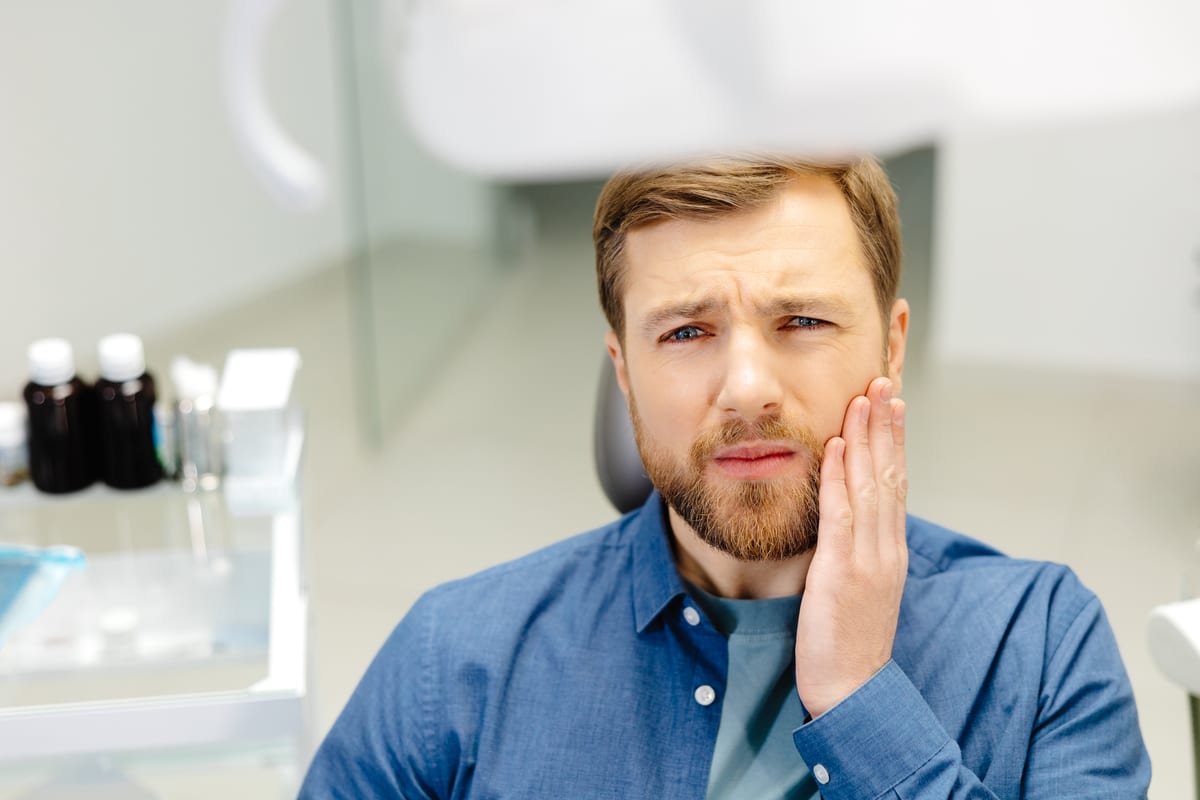
Many patients are surprised to learn they already have early signs of gum disease. Common warning signs include gums that bleed when you brush or floss. You might also notice swollen or tender gums, persistent bad breath, or teeth that feel loose. Gum recession—where your teeth look longer than they used to—is another red flag.
Some patients have no visible symptoms at all. That’s why routine dental exams are so important. During your visit, our team measures the depth of the spaces between your gums and teeth. These measurements help us detect gum disease at its earliest, most treatable stage. Early detection always leads to better outcomes.
- Bleeding gums when brushing or flossing
- Swollen, red, or tender gum tissue
- Chronic bad breath that doesn’t improve
- Teeth that feel loose or shifting
- Visible gum recession or sensitivity near the roots
Question 3: What Happens During a Periodontal Cleaning?
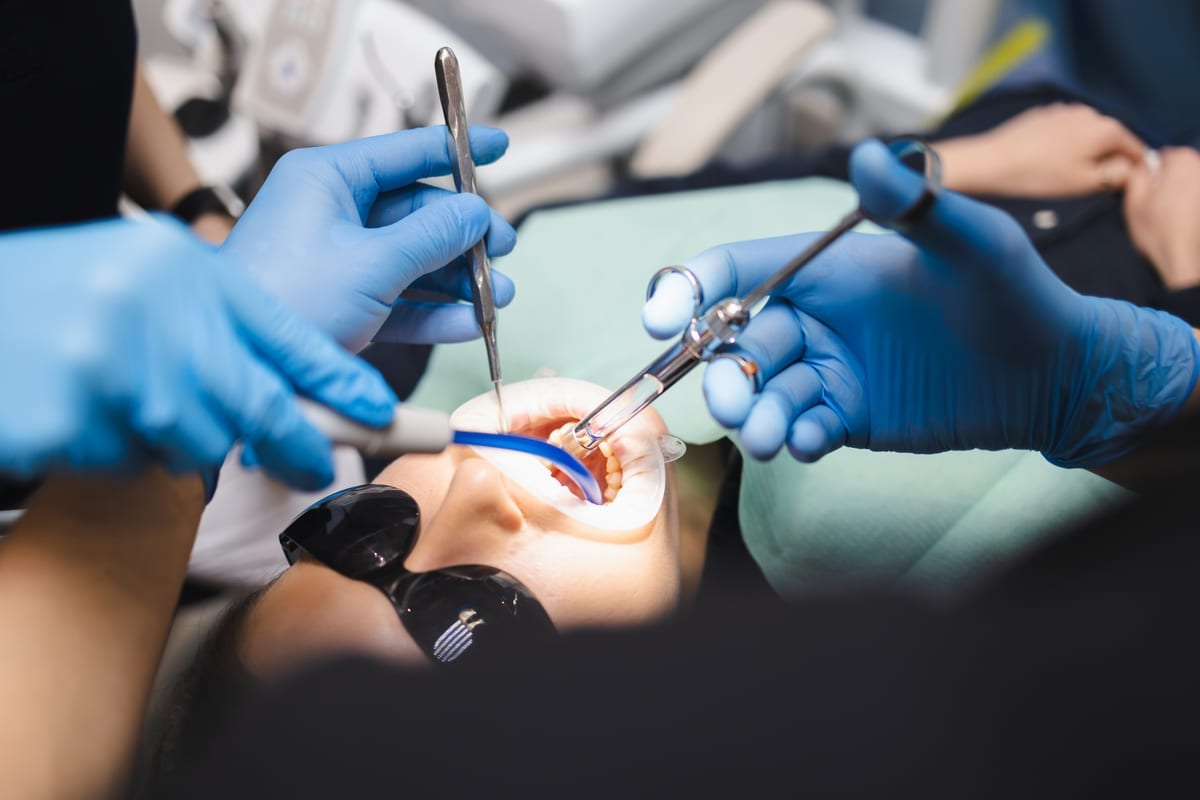
A standard dental cleaning removes plaque and tartar from the surface of your teeth. A periodontal cleaning goes deeper. The most common procedure is called scaling and root planing. It cleans below the gumline to remove bacteria and smooth the root surfaces so gums can reattach properly.
The process is straightforward and not as scary as it sounds. Local anesthetic keeps you comfortable throughout the appointment. Some patients need the procedure done in two visits—one side of the mouth at a time. Mild soreness afterward is normal and usually fades within a day or two.
Our Dental Hygienist Greece team plays a central role in your periodontal care. Hygienists perform the cleaning, educate you on at-home care, and monitor your progress at every follow-up visit. Their expertise is a key part of your long-term gum health.
Question 4: Will Periodontal Disease Affect My Other Dental Treatments?
Yes—gum health directly impacts nearly every other dental procedure. For example, restorative treatments like crowns and veneers require a healthy gum foundation. Without healthy gums, results are less predictable and may not last as long as they should.
This is especially important for patients considering Dental Implants Greece. Implants fuse to the jawbone, and active gum disease can cause implant failure. We always assess and treat gum disease before placing implants. Treating periodontal disease first protects your investment in every future procedure.
- Healthy gums create a stable base for crowns and veneers
- Gum disease must be controlled before implant placement
- Teeth whitening results look better on healthy, receding-free gums
- Routine cleanings support the longevity of all dental work
- Untreated gum disease can accelerate bone loss around existing teeth
Question 5: How Do I Maintain Healthy Gums After Treatment?
Maintenance is the most important phase of periodontal care. After treatment, your gums need consistent attention to stay healthy. Most patients transition to what we call periodontal maintenance visits—typically every three to four months. These visits are more thorough than a standard cleaning.
At-home habits matter just as much as professional care. Brushing twice daily with a soft-bristled brush protects your gumline. Flossing every day removes bacteria from spaces your brush cannot reach. Your provider may also recommend a prescription mouth rinse or a water flosser for added support.
Lifestyle factors also play a role. Smoking significantly worsens gum disease and slows healing. A balanced diet reduces inflammation throughout the body, including in your gums. Dr. Yakimov and our team will give you personalized guidance at every step of your care.
What Makes Greece Family Dentistry and Implantology Different?
We understand that new patients often feel anxious about gum disease diagnoses. Our approach at Greece Family Dentistry and Implantology is always educational first. We explain what we find, why it matters, and what your options are—before we begin any treatment. You make the final decision about your care.
Dr. Maxim Yakimov brings years of experience in both general dentistry and advanced implant procedures. That means we can treat gum disease and handle any downstream restorative needs in one familiar location. Greece, NY residents benefit from comprehensive, coordinated care without needing multiple referrals.
We are proud to serve families across Greece, NY with honest, patient-focused dentistry. Whether you are coming in for your first cleaning or seeking treatment for advanced gum disease, our doors are open. Book Now to schedule your appointment with our team.
Frequently Asked Questions
Is periodontal disease reversible?
The earliest stage—called gingivitis—is fully reversible with professional cleaning and improved home care. More advanced stages of gum disease, called periodontitis, are not fully reversible but are very manageable with proper treatment and ongoing maintenance. Early intervention always produces the best long-term results.
Does periodontal treatment hurt?
Most patients tolerate periodontal cleaning very well. Local anesthetic is used during deeper cleaning procedures, so you should not feel pain during the appointment. Mild sensitivity or soreness in the days following treatment is normal and usually resolves quickly. Over-the-counter pain relievers and saltwater rinses help with any discomfort.
How long does periodontal treatment take?
The timeline depends on the severity of your gum disease. Mild cases may require just one or two visits beyond your regular exam. More advanced cases can take several appointments spread over a few weeks. After active treatment ends, you transition to a regular maintenance schedule to protect your results.
Can children develop gum disease?
Gum disease is more common in adults, but children are not immune. Gingivitis—the early, milder form—can develop in children who have poor brushing habits. Routine dental visits help us catch and address early gum issues before they become serious problems. Good habits established in childhood protect gum health for life.
What is the difference between a regular cleaning and a periodontal cleaning?
A regular cleaning removes plaque and tartar from above and just below the gumline. A periodontal cleaning, known as scaling and root planing, goes significantly deeper to clean infected pockets below the gumline. The two procedures serve different purposes and are recommended based on the health of your gums, not patient preference.