3101 W Ridge Rd BLDG C, Greece, NY 14626
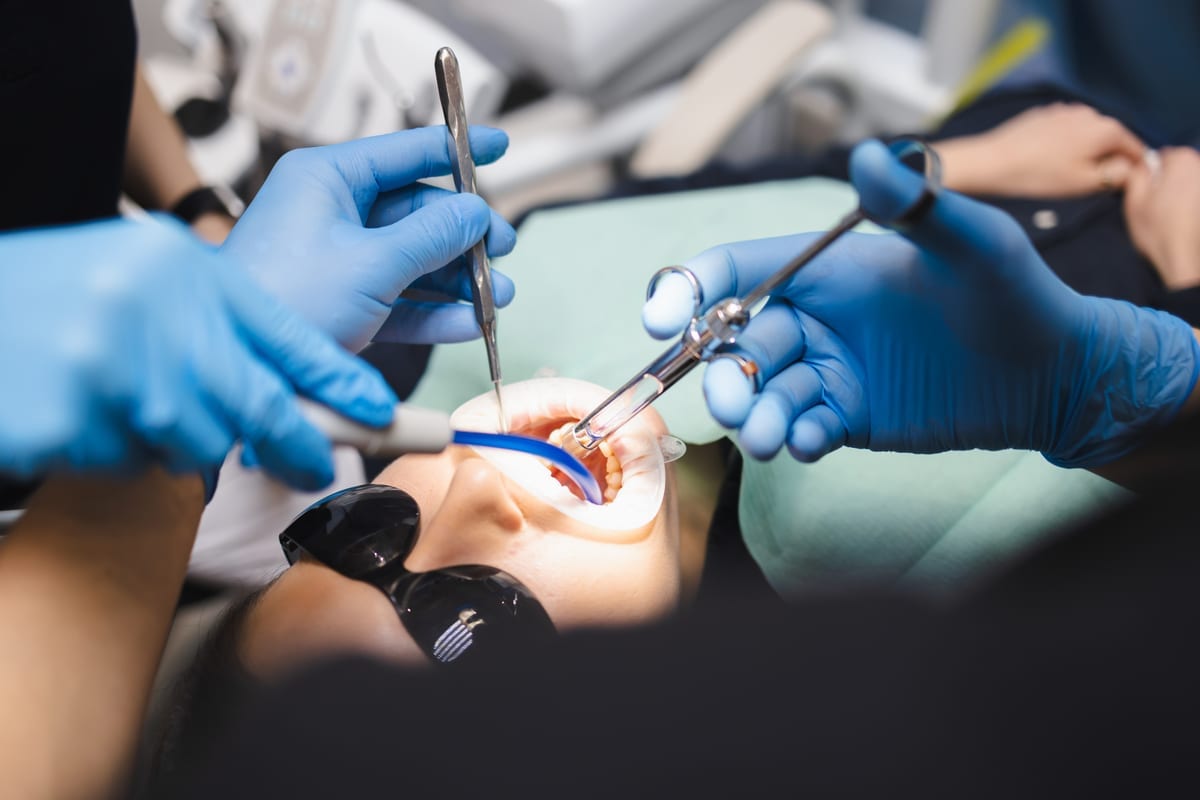
If you have a severely damaged or infected tooth, your dentist may present two options: a root canal or an extraction. Many patients in Greece, NY immediately ask about cost. Understanding root canal vs. extraction — which choice costs less long-term in Greece — is essential before deciding. The answer is almost never as simple as comparing today’s price tags.
Dr. Maxim Yakimov at Greece Family Dentistry and Implantology helps patients weigh both options every day. This article breaks down the real costs, health consequences, and recovery differences so you can make a confident, informed decision.
Root Canal vs. Extraction: Understanding the Basic Difference
A root canal removes infected pulp tissue from inside your tooth. The tooth itself stays in place. A dental filling and crown typically complete the restoration.
An extraction removes the entire tooth. It is a simpler procedure upfront. However, the story does not end there.
Leaving a gap in your mouth after extraction creates new problems. Neighboring teeth shift over time. Your jawbone begins to shrink where the root once anchored it. These secondary issues add significant costs down the road.
Here is a quick overview of what each procedure involves:
- Root canal: Removes infection, preserves the natural tooth structure, requires a crown for protection
- Extraction: Removes the tooth entirely, faster procedure, requires follow-up treatment to restore function
- Bone loss: Begins within weeks after extraction if the gap is left untreated
- Shifting teeth: Adjacent teeth lean into the empty space over months and years
Comparing Long-Term Costs in Greece, NY
The upfront cost of an extraction is usually lower than a root canal. That single fact leads many patients to choose extraction without thinking further ahead. However, this comparison misses the bigger picture.
After an extraction, most dentists recommend replacing the missing tooth. The two most common replacement options are a dental bridge or a dental implant. Both add significant cost to what seemed like a budget-friendly choice.
Dental Implants Greece are widely considered the gold standard for tooth replacement. They preserve jawbone density and look completely natural. However, they involve a surgical procedure plus a restoration crown, which increases the total investment.
A root canal with a crown, on the other hand, typically costs less than an extraction followed by an implant. You also keep your natural tooth, which is always the preferred outcome in modern dentistry. When you compare the full treatment pathway — not just the first appointment — root canal therapy often wins on total cost.
Health Impact: Why Keeping Your Natural Tooth Matters
Your natural tooth is incredibly valuable to your overall oral health. Nothing replaces it perfectly. Dental restorations come close, but your original tooth is always the best option when saving it is still possible.
Root canal therapy eliminates infection and seals the tooth. Once the crown is placed, most patients enjoy a fully functional tooth for decades. Studies show that teeth treated with root canals have strong long-term survival rates.
Extraction, by contrast, starts a chain reaction. Bone resorption begins almost immediately after the root is gone. This changes the shape of your jaw over time. It can also affect your bite, your facial appearance, and your ability to chew comfortably.
Consider these long-term health impacts side by side:
- Root canal: Infection eliminated, natural tooth preserved, jawbone stays intact, bite remains stable
- Extraction without replacement: Gap causes bone loss, teeth shift, bite changes, increased risk of further tooth loss
- Extraction with implant: Bone preserved if done promptly, function restored, but requires surgery and healing time
- Extraction with bridge: Neighboring teeth must be filed down, no bone preservation benefit
The Dental Hygienist Greece team at our practice monitors these kinds of oral health patterns during every preventive visit. Early detection of decay or infection gives you the best chance of saving a tooth.
Recovery: What to Expect After Each Procedure
Recovery time is another important factor in this decision. Many patients assume extraction recovery is faster. That is not always true when you consider the full picture.
After a root canal, most patients return to normal activities within a day or two. Some mild soreness is expected. The tooth is still in place, and the bone experiences no trauma.
After an extraction, the initial healing of the socket takes one to two weeks. If you choose an implant, the full process takes several months. The implant post must fuse with your jawbone before the final crown is placed. That means multiple appointments spread across a longer timeline.
Root canal therapy is often completed in one to two visits. The final crown placement is a separate appointment, but the whole process typically wraps up within a few weeks. For many Greece, NY patients, this shorter and less invasive timeline is a major advantage.
When Extraction Is the Right Choice
Root canals are not always the answer. Some clinical situations make extraction the more appropriate option. Dr. Yakimov evaluates every case individually to determine what truly serves the patient best.
Extraction may be necessary when the tooth is cracked below the gumline. Severe bone loss around the root can also make saving the tooth impossible. In some cases, overcrowding requires strategic removal of a tooth before orthodontic treatment like Invisalign.
When extraction is necessary, prompt replacement is strongly recommended. Leaving a gap untreated always costs more in the long run — both financially and in terms of oral health.
Conclusion: Make the Right Choice for Your Smile in Greece
The root canal vs. extraction decision is not simply about today’s bill. It is about your total oral health investment over years and decades. In most cases where a tooth can still be saved, root canal therapy is the smarter long-term choice — for both your wallet and your smile.
At Greece Family Dentistry and Implantology, Dr. Maxim Yakimov takes time to explain every option clearly. You will never feel pressured into a treatment. You will always understand exactly what is happening in your mouth and why each recommendation is being made.
If you are dealing with tooth pain or an infected tooth, do not wait. Early treatment almost always means more options — and lower costs. Book Now to schedule your appointment with our team.
Frequently Asked Questions
Is a root canal really worth it compared to just pulling the tooth?
In most cases, yes. Keeping your natural tooth prevents bone loss, maintains your bite, and avoids the cost of replacement options like implants or bridges. Root canal therapy with a crown is often less expensive in total than extraction followed by a tooth replacement procedure.
How long does a root canal last compared to a dental implant?
A well-done root canal with a proper crown can last 10 to 20 years or longer. Dental implants are also long-lasting and can be permanent with good care. However, the root canal preserves your natural tooth, which is always the preferred outcome when possible.
Does a root canal hurt more than an extraction?
Both procedures are performed under local anesthesia, so you should not feel pain during either one. Most patients find root canal therapy comparable to having a large filling placed. Post-procedure soreness is generally mild and manageable with over-the-counter pain relievers.
What happens if I leave an extracted tooth unreplaced in Greece?
Leaving a gap after extraction leads to bone resorption in the jaw, shifting of neighboring teeth, and changes to your bite. Over time, this can cause additional tooth loss and increased treatment costs. Prompt replacement with an implant or bridge is strongly recommended.
How do I know if my tooth can be saved with a root canal?
Dr. Yakimov will take X-rays and perform a clinical examination to assess whether the tooth structure and surrounding bone are healthy enough to support root canal therapy. The sooner you come in, the more likely it is that the tooth can be saved.