3101 W Ridge Rd BLDG C, Greece, NY 14626
Many patients in Greece, NY hold back from whitening their teeth because they fear sensitivity. That hesitation is completely understandable. But here is the truth: why tooth sensitivity shouldn’t stop you from whitening in Greece is a question more patients should ask their dentist. Sensitivity is manageable, and professional whitening is safer than most people realize. Dr. Maxim Yakimov and the team at Greece Family Dentistry and Implantology help patients whiten comfortably every day.
Understanding Why Whitening Causes Tooth Sensitivity
Teeth whitening works by using a peroxide-based gel to break apart stain molecules inside the enamel. This process temporarily opens tiny channels called dentinal tubules. Those tubules connect the outer enamel to the nerve at the center of the tooth. When they are open, the nerve becomes more reactive to temperature and pressure.
This sensitivity is almost always short-lived. Most patients notice it during the treatment or for up to 48 hours afterward. It does not mean your teeth are damaged. It simply means the whitening agent did its job.
Some patients are naturally more prone to sensitivity. Thin enamel, gum recession, or existing micro-cracks can increase the response. A professional evaluation before whitening helps identify these factors early. That way, your dentist can adjust the treatment plan to fit your needs.
How a Dentist in Greece, NY Minimizes Sensitivity During Whitening
Professional whitening is very different from store-bought kits. A dentist controls the concentration of the whitening agent. They also control the application time and the frequency of treatment. This precision significantly lowers your risk of sensitivity.
At Greece Family Dentistry and Implantology, Dr. Yakimov takes a thorough approach before any whitening begins. He examines your enamel thickness and checks for gum recession. He also screens for cavities or cracked teeth that could make whitening uncomfortable. Treating those issues first makes the whole process smoother.
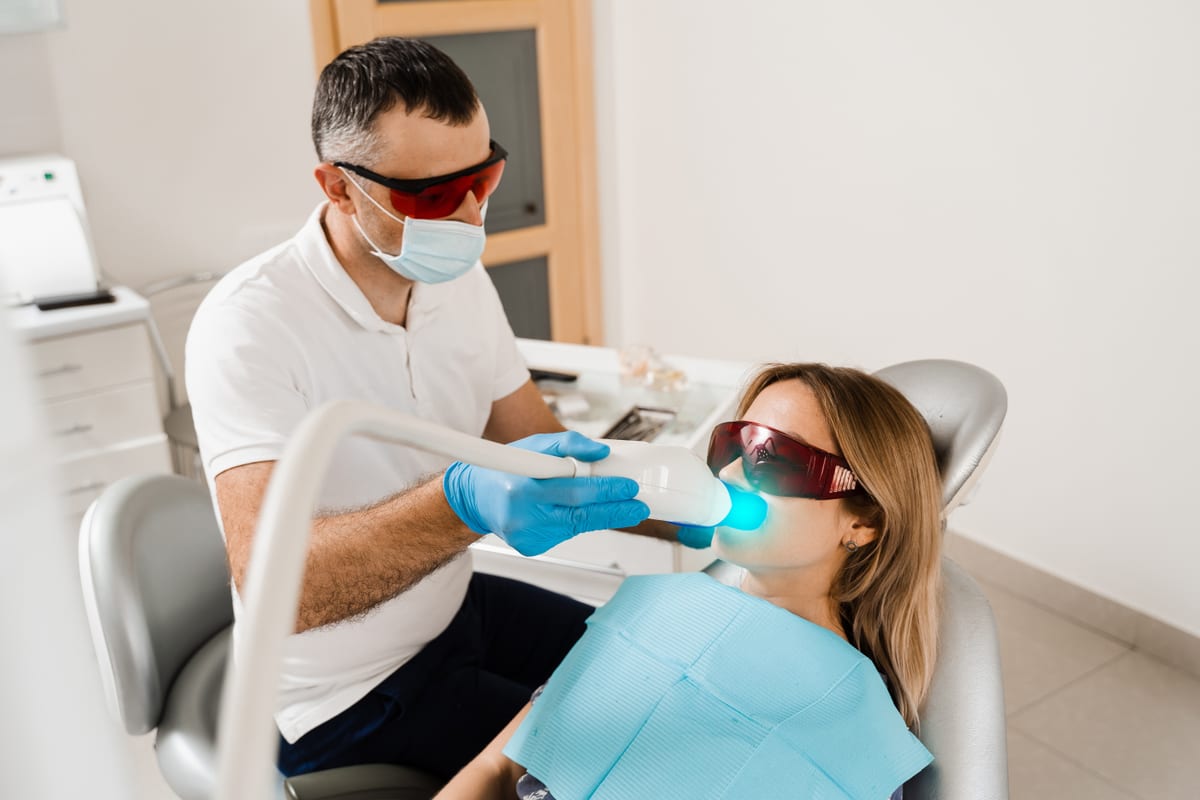
During the procedure, a protective barrier is applied to the gums. This shields the soft tissue from the whitening gel. Dentists also use desensitizing agents that contain potassium nitrate or fluoride. These ingredients calm the nerve and reduce post-treatment sensitivity significantly.
- Custom-fitted whitening trays prevent gel from touching the gums
- Lower-concentration professional gels reduce nerve irritation
- In-office desensitizing treatments soothe the tooth nerve before and after
- Shorter application cycles help patients with naturally thin enamel
- A pre-whitening fluoride treatment strengthens enamel ahead of the procedure
What You Can Do at Home to Manage Sensitivity After Whitening
Aftercare plays a big role in how comfortable you feel post-treatment. The good news is that simple steps at home can make a meaningful difference. You do not need to suffer through sensitivity to enjoy a brighter smile.
Start using a sensitivity-specific toothpaste at least two weeks before your whitening appointment. These toothpastes contain compounds that block open dentinal tubules. Using them consistently before and after treatment reduces your sensitivity window. Your dentist can recommend the best option for your situation.
Here are additional at-home strategies that help after professional whitening:
- Avoid very hot or cold foods and drinks for 48 hours after treatment
- Skip acidic foods like citrus and vinegar-based sauces for two days
- Use a soft-bristled toothbrush and gentle pressure when brushing
- Apply a small amount of sensitivity toothpaste directly to sensitive teeth and leave it on for a few minutes
- Stay hydrated — a dry mouth can make sensitivity worse
If sensitivity persists beyond two days, contact your dental office. Lingering discomfort is rare after professional whitening, but it should always be evaluated. Dr. Yakimov and his team are available to answer questions and adjust your plan if needed.
Why Professional Whitening Is Safer Than DIY Options for Sensitive Teeth
Over-the-counter whitening products are widely available and seem convenient. But they carry real risks for patients with sensitive teeth. Most whitening strips use a one-size-fits-all approach. They do not account for your enamel thickness or gum health.
Without a protective barrier, whitening gel can seep onto the gums. This causes irritation and worsens sensitivity. The concentration in some OTC products is also unregulated. Patients often overuse them chasing faster results, which increases nerve exposure.
Professional whitening at a dental office puts a trained clinician in control. The Dental Hygienist Greece patients see at Greece Family Dentistry plays an active role in preparing your teeth for treatment. They clean and polish the enamel surface first. This allows the whitening agent to work evenly and more gently.
Professional results also last longer. That means fewer repeated treatments over time. Fewer treatments mean less cumulative sensitivity. Investing in a single in-office session often outperforms months of strip use — with far less discomfort.
Who Is a Good Candidate for Whitening Despite Sensitivity?
Almost anyone with healthy teeth and gums can safely whiten. Even patients with a history of sensitivity can often proceed with the right precautions. The key is a proper pre-treatment evaluation. Dr. Yakimov assesses each patient individually before recommending a whitening protocol.
Patients with active gum disease or untreated cavities should address those concerns first. Whitening on compromised teeth can worsen sensitivity and lead to discomfort. Fortunately, Greece Family Dentistry and Implantology offers a full range of care. Services like Dental Implants Greece patients receive show the practice’s commitment to complete oral health — not just cosmetics.
Pregnant patients and children under 16 are generally advised to wait before whitening. That guidance has nothing to do with sensitivity. It is simply a precautionary standard. For everyone else, sensitivity concerns are rarely a reason to avoid whitening altogether.
Conclusion: A Brighter Smile Is Within Reach in Greece, NY
Tooth sensitivity is one of the most common reasons people avoid whitening. But it does not have to be a barrier. With the right preparation, a skilled dentist, and a personalized treatment plan, whitening can be comfortable and effective. Dr. Yakimov and the team at Greece Family Dentistry and Implantology are here to guide you through every step. Book Now to schedule your appointment with our team.
Frequently Asked Questions
Is teeth whitening safe if I already have sensitive teeth?
Yes, whitening can be safe even if you have sensitive teeth. A dentist will evaluate your enamel and gum health first. They may recommend a lower-concentration gel or a pre-treatment desensitizing protocol. Most patients with sensitivity can still whiten comfortably under professional supervision.
How long does tooth sensitivity last after whitening?
Sensitivity after professional whitening typically lasts 24 to 48 hours. It usually feels like a brief twinge when eating hot or cold foods. This is a normal reaction and not a sign of damage. If sensitivity continues beyond two days, contact your dental office for an evaluation.
What is the difference between professional whitening and whitening strips?
Professional whitening uses custom-fitted trays or in-office application with controlled gel concentrations. Whitening strips are generic and can allow gel to contact gum tissue. A dentist also applies protective barriers and desensitizing agents during professional treatment. This makes in-office whitening far more comfortable for patients with sensitivity.
Can I whiten my teeth if I have dental crowns or veneers?
Whitening gel does not change the color of crowns, veneers, or other restorations. It only affects natural tooth enamel. Dr. Yakimov will review your existing dental work before recommending whitening. He will help set realistic expectations and may suggest alternative cosmetic options if needed.
How often should I whiten my teeth professionally?
Most dentists recommend in-office whitening once or twice a year. This depends on your diet, habits, and how quickly your teeth restain. More frequent whitening can increase sensitivity over time. Your dentist will recommend a schedule that balances brightness with long-term enamel health.