3101 W Ridge Rd BLDG C, Greece, NY 14626
Losing a tooth — or several — changes more than just your smile. It changes how you eat, how you speak, and how you feel about yourself. For residents in Gates-North Gates weighing their options, the question of dental implants vs. dentures comes up constantly. Both options restore function and appearance, but they work very differently. Understanding those differences helps you make a confident, informed choice.
Understanding Your Two Main Options in Gates-North Gates
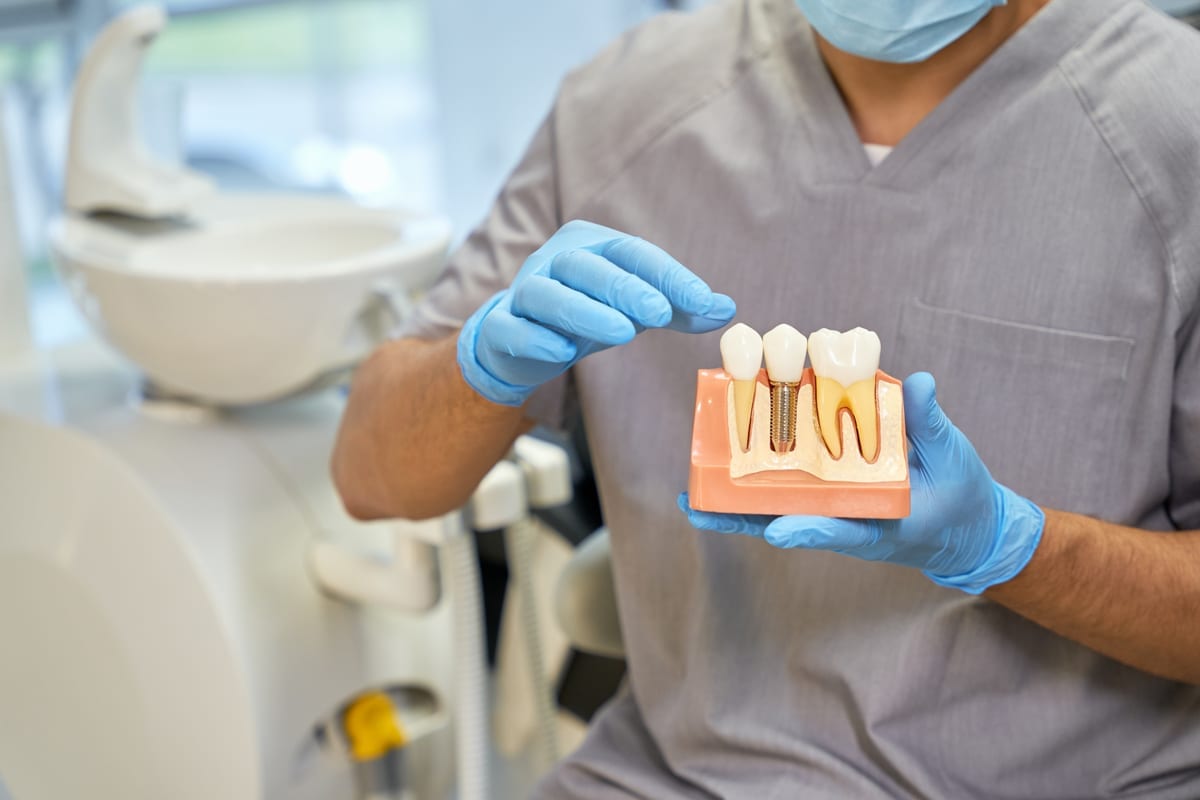
When comparing dental implants vs. dentures, it helps to start with a clear picture of each. Dental implants are titanium posts placed directly into your jawbone. They act as artificial tooth roots and support a permanent crown above the gumline.
Dentures are removable appliances that sit on top of your gums. They come in full sets — replacing all teeth — or partial sets that fill gaps between remaining teeth. Both options have improved dramatically over the past decade.
At Greece Family Dentistry and Implantology, Dr. Maxim Yakimov evaluates each patient individually. What works well for one person may not suit another. Your bone density, budget, lifestyle, and overall oral health all play a role.
How Dental Implants and Dentures Compare Day to Day
Daily life reveals the biggest differences between these two options. Dental implants feel and function like natural teeth. You brush them, floss them, and forget they’re there.
Dentures require more daily maintenance. You remove them nightly, clean them separately, and use adhesives to keep them secure during the day. Some patients adapt easily. Others find this routine inconvenient.
Consider these key lifestyle differences side by side:
- Stability: Implants are fixed in place. Dentures can shift or slip while eating or speaking.
- Diet: Implants allow you to eat almost anything. Dentures require avoiding hard or sticky foods.
- Bone health: Implants stimulate the jawbone, preventing bone loss. Dentures do not provide this benefit.
- Maintenance: Implants need regular brushing and flossing. Dentures need nightly removal and soaking.
- Longevity: Implants can last a lifetime with proper care. Dentures typically need replacement every 5–10 years.
These day-to-day realities matter more than most people expect. Gates-North Gates patients often tell us that comfort and convenience tip their final decision.
Who Is a Good Candidate for Each Option?
Not everyone qualifies for dental implants right away. Good candidates need adequate jawbone density to support the titanium post. They also need healthy gums and no untreated gum disease.
Patients with bone loss may still qualify after a bone grafting procedure. Dr. Yakimov reviews your imaging and health history to determine this. Many patients who assume they can’t get implants are actually strong candidates.
Dentures are accessible to almost anyone who has lost teeth. They don’t require surgery, so patients with certain health conditions often prefer this route. They’re also a realistic option when multiple teeth are missing across the entire arch.
Here are situations where each option tends to work best:
- Dental implants work well for: Patients missing one or a few teeth, those with good bone density, and anyone seeking a long-term permanent solution.
- Dentures work well for: Patients missing most or all teeth, those who prefer a non-surgical approach, and anyone seeking a more immediate solution.
A combination approach is also possible. Implant-supported dentures snap onto two or four implants for better stability without full implant placement for every missing tooth.
Costs, Timelines, and What to Expect
Cost is often the first thing Gates-North Gates patients ask about. Dental implants typically have a higher upfront cost than dentures. However, their longevity often makes them more cost-effective over time.
Dentures cost less initially but may require relining, repairs, and eventual replacement. Over 10–20 years, the total investment can approach or exceed implant costs. It’s worth thinking about long-term value, not just today’s price.
Timelines also differ significantly. The full implant process — from placement to final crown — takes several months. Healing between stages is necessary for success. Dentures can often be delivered within a few weeks.
Dr. Yakimov walks every patient through a realistic timeline during their consultation. There are no surprises or hidden steps. You’ll know exactly what to expect before treatment begins.
Making the Right Choice for Your Smile and Your Life
The best option depends entirely on your personal situation. There’s no single right answer for everyone weighing dental implants vs. dentures in Gates-North Gates. Your oral health, preferences, and goals all matter equally.
If you want a permanent, natural-feeling solution and qualify medically, implants are worth serious consideration. If you need a faster, less invasive option or have full-arch tooth loss, dentures may serve you better. Many patients also explore Cosmetic Dentistry options to complement their tooth replacement with a complete smile makeover.
Greece Family Dentistry and Implantology serves patients across Greece, Gates, and the surrounding North Gates community. Dr. Yakimov brings both implant expertise and a patient-first approach to every consultation. Families also appreciate that the practice offers Pediatric Dentistry so every member of the household receives care under one roof.
Your smile deserves a thoughtful, personalized plan — not a one-size-fits-all recommendation. Book Now to schedule your appointment with our team.
Frequently Asked Questions
Are dental implants permanent?
Dental implants are designed to be a long-term, permanent solution. With proper care and regular dental visits, implants can last a lifetime. The crown attached to the implant may eventually need replacement after many years of wear.
Do dentures feel natural?
Modern dentures are much more comfortable and realistic than older designs. However, many patients still notice some movement or adjustment period. Implant-supported dentures offer improved stability for those who want a more secure fit.
How long does the dental implant process take?
The full process typically takes several months from implant placement to final crown. This timeline allows the implant to fuse with the jawbone through a process called osseointegration. Dr. Yakimov will give you a personalized timeline during your consultation.
Can I get implants if I’ve had bone loss?
Bone loss doesn’t automatically disqualify you from implants. A bone grafting procedure can rebuild the density needed to support an implant. Dr. Yakimov evaluates each patient’s imaging to determine the best path forward.
Which option is better for eating and speaking?
Dental implants generally perform closer to natural teeth for both eating and speaking. They don’t shift or require adhesives. Dentures require some dietary adjustments and may affect speech initially, though most patients adapt well over time.